
Navigating the Shift: The Strategic Guide to SAP ECC to Cloud Migration
For a long time, SAP ECC has been the digital backbone behind thousands of organisations globally. However, the enterprise landscape is shifting. Modern business environments need real-time data streaming, predictive AI, and seamless integrations—something that legacy, on- premise architectures simply weren't built for
With SAP’s official December 31, 2027 standard maintenance deadline fast approaching for ECC (EHP,migrating to the cloud is no longer a "future IT project." It is a modern business continuity need
If your organization is planning this shift, or if you are an SAP professional positioning yourself for the massive wave of upcoming transformation projects, here is everything you need to know about navigating the migration from ECC to the Cloud.
The Clock is Ticking: Why 2027 Changes Everything
Many business leaders ask, "Can we just wait it out?"
While SAP does offer an optional extended maintenance window until 2030, it comes with a steep premium on top of standard maintenance fees. Furthermore, staying on an unsupported ECC system past the deadline introduces major operational hurdles which means
- No New Features:
- Regulatory & Compliance Risks:
- The Talent Crunch:
Your legacy system will be frozen in time, entirely locked out of SAP's latest AI-driven features and cloud innovations.
SAP will stop providing standard legal change packages or regulatory updates..
As thousands of enterprises rush to migrate simultaneously over the next two years, the demand for certified SAP implementation specialists will skyrocket, driving up project costs.
The Secret Weapon: SAP Business Technology Platform(BTP)
One of the biggest concerns with moving to a cloud ERP is how to preserve essential custom features. In the legacy ECC world, developers modified the system core directly. In the cloud world, that is a recipe for disaster
SAP BTP becomes critical. BTP acts as the innovation extension layer. By keeping the S/4HANA Cloud core clean, developers can use BTP to build custom web apps, manage integrations (connecting to MES, IoT, or third-party apps), and inject AI workflows without ever touching the primary ERP system.
Action Plan: How to Prepare Today
An effective enterprise migration typically takes anywhere from 12 to 24 months. To set your project up for success, your teams should begin taking preparatory measures right now:
- Master Data Cleansing:
- Evaluate Code Customizations:
- Upskill Your Internal Workforce:
Don't pay premium cloud infrastructure costs to host decades of obsolete, duplicate data.Start data auditing and archiving inactive records early.
Run an SAP Readiness Check to identify which parts of your legacy custom code are cloud-compatible and which parts can be replaced by native cloud features.
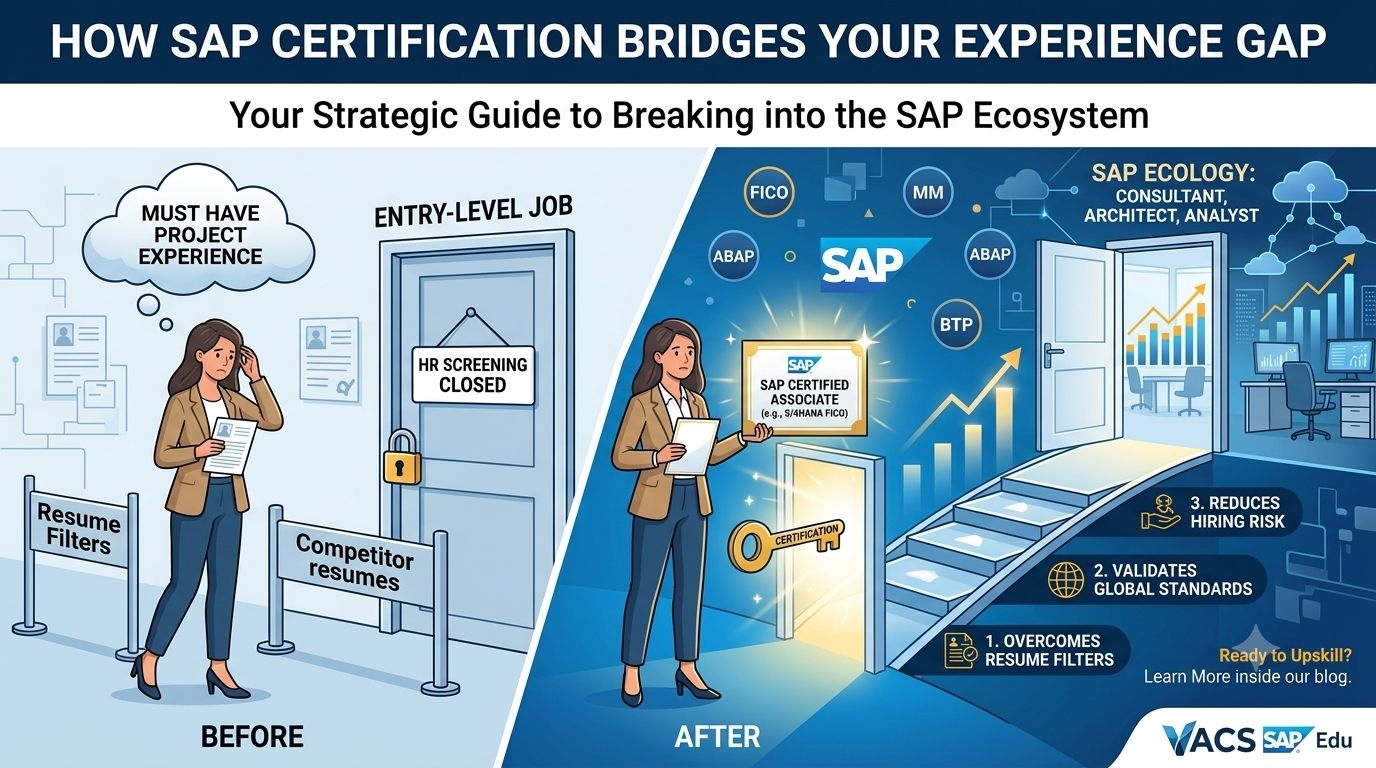
Your cloud platform is only as agile as the team managing it. Equipping your internal workforce with certifications in S/4HANA, Cloud FICO, Cloud MM, and BTP ensures a seamless transition.
The Bottom Line
The migration from SAP ECC to the Cloud is far more than a routine IT version upgrade; it is a paradigm shift in business transformation. Organizations that embrace the cloud early will spend less time managing clunky infrastructure and more time leveraging automated data insights, autonomous workflows, and agile cloud performance to outpace the competition.
The window to plan a controlled, cost-effective transformation is narrowing
Want to build a workforce ready to lead this cloud transformation? Reach out to VACS SAP Edu to learn how our official SAP certification pathways and SAP Learning Hub access can get your team future-ready.